Long-haul fuel economy depends on speed, idle time, tires, and maintenance. For trucks running I-94 through western Wisconsin, small changes show up on every tank. The figures below are published ranges, not a promise for every engine.
1. Maintain Optimal Speed
Many Class 8 trucks are most efficient around 60–65 mph. The U.S. Department of Energy notes that each 5 mph over 50 mph can raise fuel cost, and published estimates often use about 0.1 mpg lost per 1 mph over a truck's efficient range. Treat that as a planning figure and confirm it against your engine. Use cruise control when traffic allows. Source: Alternative Fuels Data Center driving behavior guidance.
2. Regular Maintenance Checks
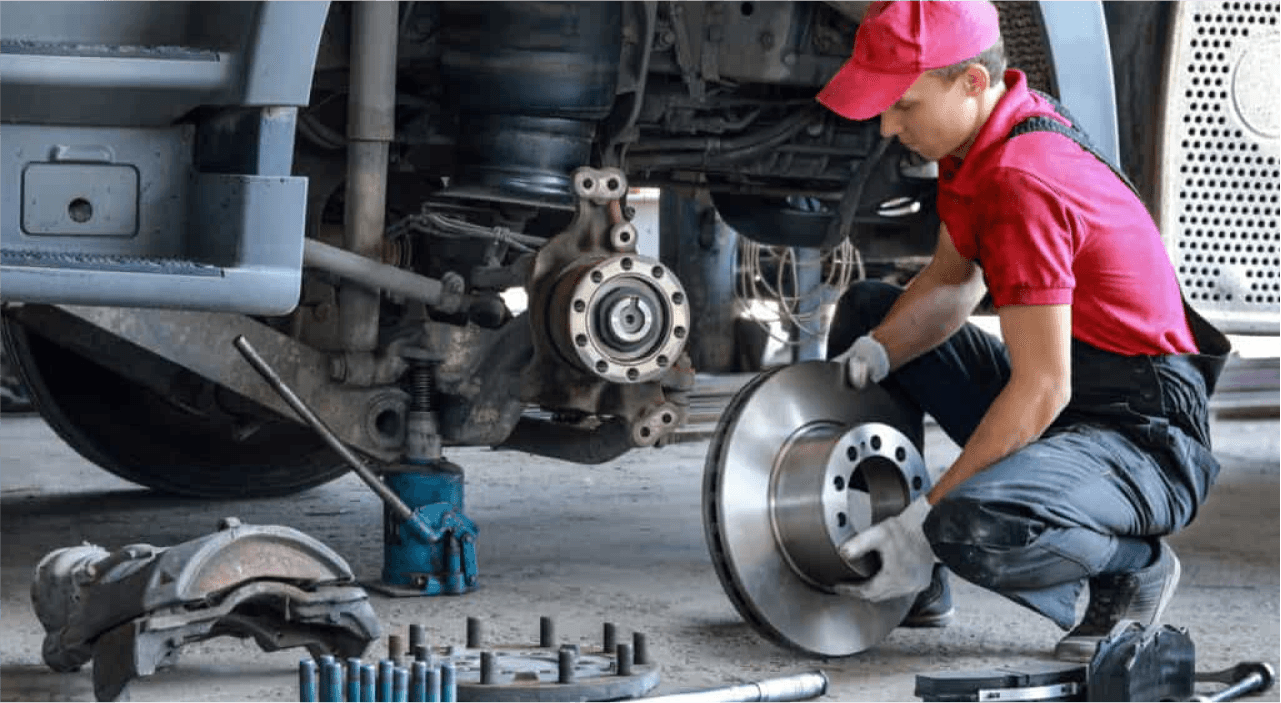
- Keep tires properly inflated - check pressure weekly
- Change oil and filters according to schedule
- Ensure proper wheel alignment
- Monitor and repair any air leaks
3. Smart Driving Techniques
Implement progressive shifting, avoid rapid acceleration and hard braking, and use engine braking when possible. Plan your routes to avoid traffic and minimize idle time.
Best Practices:- Use progressive shifting
- Maintain steady speeds
- Use engine braking
- Plan efficient routes
- Rapid acceleration
- Hard braking
- Excessive idling
- Unnecessary stops
4. Aerodynamic Improvements
- Install trailer skirts
- Use cab extenders
- Maintain proper gap between tractor and trailer
- Consider aerodynamic mirrors and bumpers
5. Load Management
Distribute weight evenly and secure loads properly. Remove unnecessary weight from the truck and avoid carrying excess fuel when possible.
6. Weather Considerations
Adjust driving habits based on weather conditions. Headwinds, rain, and snow can significantly impact fuel efficiency. Plan routes to avoid severe weather when possible.
7. Idle Reduction
A commonly cited Class 8 idle rate is about 0.8 gallons per hour. Actual burn varies by engine and accessories, so use it as a planning range. Auxiliary power or truck-stop electrification avoids that burn during long rests. Source: U.S. Department of Energy idle fuel consumption fact.
The Bottom Line
Implementing these fuel-saving strategies can lead to significant cost savings over time. Regular maintenance and smart driving habits are key to maximizing fuel efficiency. Remember, even small improvements in fuel economy can result in substantial savings across long distances.
Need Help Optimizing Your Truck's Performance?
Our expert technicians can help ensure your truck is running at peak efficiency. Contact us for a comprehensive vehicle inspection and maintenance service.